181
A compact front yard presents a unique design opportunity. While sprawling suburban acreage often demands excessive maintenance, extensive mowing equipment, and expensive plantings, a limited footprint lets you execute high-impact, detail-driven upgrades with surgical precision. When working within tight property boundaries, every square foot carries visual and functional weight. A single thoughtfully selected specimen tree, a crisp stone retaining border, or an artisanal paver walkway will completely transform the character of your home exterior.
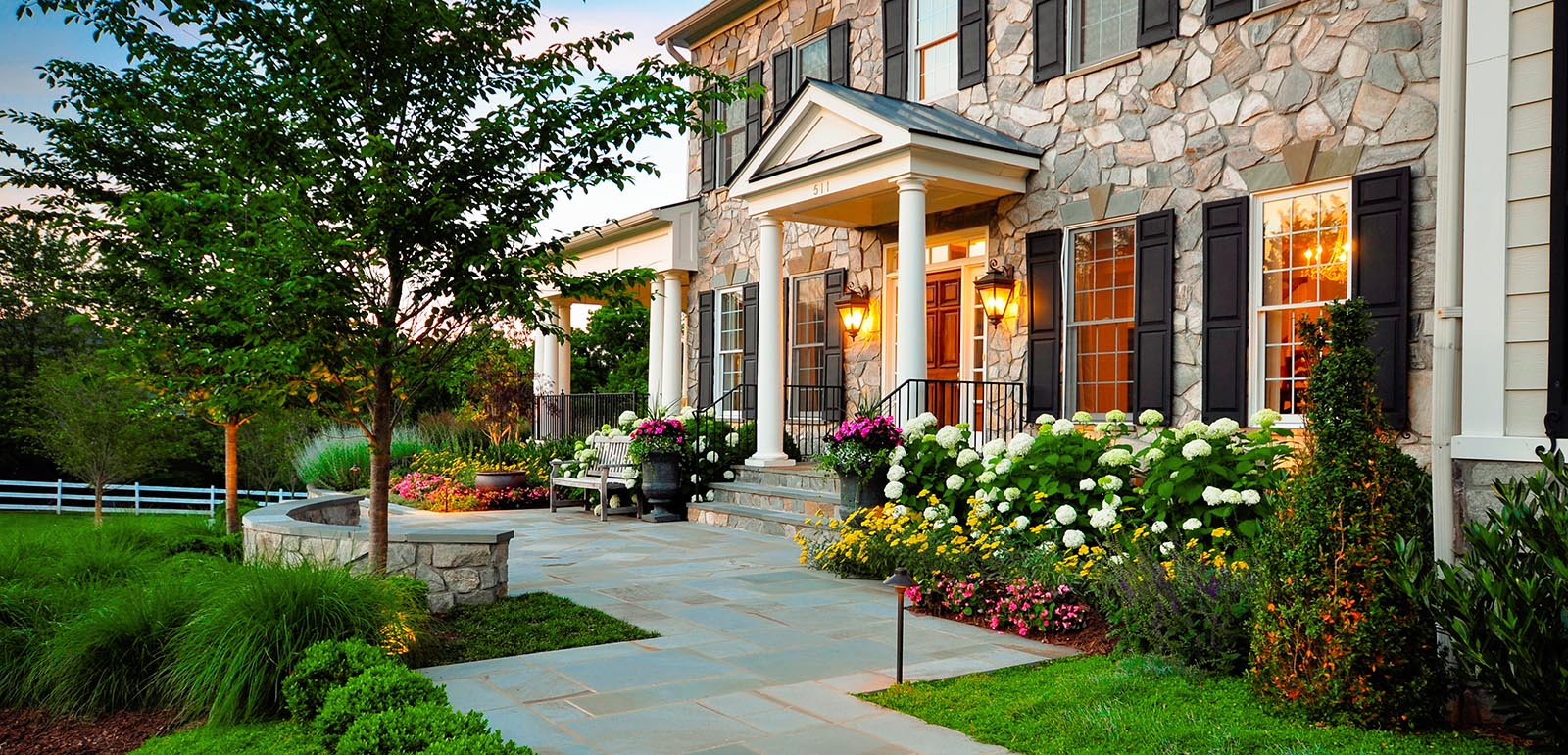
Maximizing a modest front yard requires intentional design, spatial efficiency, and an understanding of visual scale. Rather than trying to cram the elements of an expansive estate into a small plot, the goal is to create depth, establish functional zones, and draw the eye across carefully composed layers. By rethinking traditional lawns, introducing vertical dimensions, and applying smart architectural elements, you can turn an understated front exterior into a memorable, high-value entrance.
Rethinking the Traditional Front Lawn
For decades, the default choice for American front yards has been an uninterrupted patch of turfgrass. However, in a small front yard, a diminutive grass patch often ends up looking more like an awkward maintenance chore than an inviting outdoor feature. Maneuvering heavy lawn mowers around tight corners and along short fence lines is inconvenient, and compact lawns rarely provide the visual richness needed to frame a home effectively.
Replacing all or part of a small lawn with purposeful ground covers and textured hardscaping expands the perceived boundaries of the yard.
-
Drought-Tolerant Ground Covers: Dense, creeping species like creeping thyme, dwarf mondo grass, and sedum form plush living carpets that stay low to the ground. They require zero weekly mowing, suppress weeds naturally, and release subtle herbal fragrances when brushed against along walkway borders.
-
Aggregated Gravel and Pea Stone Surfaces: Utilizing light-toned decomposed granite, river pebbles, or fine pea gravel creates a modern courtyard feel. Aggregates introduce satisfying texture underfoot, improve natural stormwater drainage, and establish a neutral, clean backdrop that allows surrounding plants to stand out.
-
Integrated Step Stones: Floating rectangular bluestone or poured-in-place concrete slabs through a gravel bed break up monolithic surfaces and introduce clean geometric lines. This technique visually widens narrow yards by establishing a deliberate rhythm across the ground plane.
By ditching the standard grass rectangle, you eliminate high-maintenance upkeep while immediately elevating the architectural maturity of your property.
Embracing Vertical Gardening and Layered Heights
When horizontal ground space is scarce, looking upward is the most effective way to multiply your gardening area. Vertical gardening allows you to introduce lush foliage and vibrant seasonal color without consuming valuable walkway room or crowding out entry steps.
Wall-mounted trellis panels, custom iron wire grids, and slatted cedar privacy screens give climbing plants a sturdy scaffolding to climb. Climbing hydrangeas, star jasmine, or clematis trained against exterior brickwork or garage framing soften bare wall surfaces and draw the viewer gaze upward. This vertical pull creates the illusion of higher rooflines and an overall larger property scale.
Beyond wall-mounted structures, consider the following vertical techniques:
-
Staggered Planters and Pedestals: Grouping glazed ceramic or weather-resistant composite pots of varying heights creates instant visual interest in barren corners. Place the tallest vessel in the back and step down in height toward the walkway to build natural perspective.
-
Hanging Planter Brackets: Secure heavy-duty wrought iron brackets to porch support posts to display cascading perennials, such as trailing lobelia, sweet potato vine, or dichondra. Suspended plants add movement and frame the porch as a defined architectural outdoor room.
-
Espaliered Fruit Trees or Shrubs: Training dwarf fruit trees, pyracantha, or camellias flat against an exterior wall or fence panel yields an orderly European aesthetic. Espalier techniques provide substantial foliage and fruit production within a footprint that measures less than a foot deep.
Incorporating these vertical elements pulls the eye off the ground plane, preventing visitors from gauging the actual small dimensions of the yard at a single glance.
Establishing Clear Circulation and Broad Approach Walkways
A cramped, crooked front path makes a small exterior feel even smaller. Traditional builder-installed front walkways often measure only three feet wide, forcing guests into single-file entry approaches and highlighting the cramped nature of the plot.
Redesigning the circulation path is one of the quickest ways to establish a sense of generosity and scale in a small yard. A walkway should ideally measure at least four to five feet wide. This allows two adults to walk abreast comfortably, creating an immediate sense of grandeur and ease.
Rather than running a straight line that connects the sidewalk directly to the front door in the shortest possible distance, consider a subtle meander or a wide angled turn. A gentle shift in the pathway layout forces the eye to travel across the garden beds, creating an illusion of greater physical distance between the public street and the private threshold. Using larger modular pavers with thin, uniform joint lines minimizes visual clutter, generating an unbroken, calming surface texture.
Creating Defined Architectural Zones
In interior design, open-concept spaces rely on rugs, furniture groupings, and lighting to designate separate dining and living zones. That same spatial strategy applies to small landscape architecture. Dividing a modest front yard into discrete micro-zones gives the exterior a clear sense of purpose.
A simple low retaining wall constructed of stacked natural stone, split-face concrete blocks, or smooth board-formed concrete can separate the public sidewalk from an elevated private planting terrace. Even a wall that rises only twelve to eighteen inches creates a strong physical and visual boundary. It elevates foundational shrubs closer to eye level, introducing dimensional relief and shielding the lower level of the house from street-level dirt.
If space permits, incorporate a dedicated, compact seating nook. A small flagstone landing equipped with a pair of low-profile Adirondack chairs or an all-weather teak bench creates an inviting destination point. It signals that the front yard is not just a passive patch of dirt you pass through, but a livable, functional extension of the home interior.
Curating Plant Textures and Restrained Color Schemes
A frequent mistake in small-scale landscaping is over-planting with too many competing colors, flower shapes, and specimen varieties. When a small space contains dozens of unrelated plants, the brain registers visual chaos, making the yard feel crowded and disorganized.
A disciplined, restrained plant palette creates harmony and a feeling of calm spaciousness. Anchor the garden bed with a unified base of varying green tones, focusing on leaf textures rather than just bloom colors.
-
Broad and Fine Leaf Contrasts: Pair the broad, leathery foliage of hostas, hellebores, or wild ginger against the delicate, wispy blades of Japanese forest grass or maidenhair ferns. This dynamic contrast provides visual depth throughout the spring, summer, and fall.
-
A Controlled Palette of Accent Colors: Limit blooming perennials to two or three cohesive accent hues, such as deep purples, crisp whites, and soft blush pinks. White flowers are particularly effective in small spaces because they reflect ambient light and stay luminous well into dusk.
-
Architectural Specimen Shrubs: Instead of packing beds with numerous small bushes, anchor the center of the bed with one sculptural specimen, such as an upright Japanese maple, a dwarf hinoki cypress, or a multi-stem serviceberry. The distinctive branching habit becomes an artistic focal point through all four seasons.
Keeping the plant selection curated and repeatable establishes a cohesive visual flow that ties the entire front elevation together seamlessly.
Layered Low-Voltage Landscape Lighting
Illumination is just as essential in a small front yard as it is on a vast estate. Proper lighting extends the yard visibility into the evening hours, washing away dark, shadowy corners that make the property feel closed in.
A thoughtful lighting scheme avoids glaring, high-wattage floodlights that cast harsh shadows and wash out garden features. Instead, opt for a layered system of low-voltage LED fixtures producing warm light around 2700 Kelvin.
Install low-profile path lights that direct light downward onto paver walkways and entry steps, preventing blinding glare while safely illuminating the walking route. Place miniature adjustable spotlights at the base of your specimen tree or vertical trellis to project soft uplighting through the branch canopy and wall greenery. Concealing miniature LED strip fixtures beneath the capstones of retaining walls or beneath porch steps casts an architectural glow along the ground, emphasizing horizontal lines and anchoring the space after sunset.
Frequently Asked Questions
How do you prevent a small front yard from looking cluttered when adding multiple upgrades?
The most effective way to avoid clutter is to stick to a strict rule of repetition in materials and colors. Limit your hardscape selections to no more than two complementary materials, such as bluestone pavers combined with dark basalt gravel, and keep your structural hardware finishes consistent. Group similar container planters in odd numbers rather than scattering individual pots randomly, and maintain clean negative space along walkway edges to let the eyes rest.
Which compact trees are best suited for planting very close to a home foundation?
Ideal trees for small setbacks feature non-invasive, deep-seeking root systems and slow growth habits that will not damage foundation footings or block second-story windows. Excellent options include the Japanese maple, paperbark maple, eastern redbud, dwarf star magnolia, and serviceberry. These varieties maintain a modest canopy spread while providing exceptional spring blossoms and dramatic fall foliage without outgrowing their placement.
What steps can you take to add privacy to a small front yard without installing a towering fence?
Instead of a continuous tall fence, which can look defensive and make a small space feel like a prison yard, use layered softscaping barriers. Plant a staggered mix of columnar evergreens, such as sky pencil hollies or slender silhouetted hornbeams, paired with ornamental grasses and horizontal slat screens. These broken vegetative barriers obscure direct sightlines from the street while still allowing light and air to pass through freely.
How do you handle water drainage issues in a small front yard after removing a traditional lawn?
When removing turf, you must preserve permeable ground coverage so rainwater can infiltrate the soil. Install permeable gravel beds, dry-laid paver assemblies with open aggregate joints, and small bioswales lined with smooth river stones. Incorporating a subterranean catch basin connected to a dry well or a rain garden planted with water-loving native perennials prevents surface runoff from pooling near walkways or running toward the house foundation.
Can you make a narrow, sloped front yard functional without spending tens of thousands on grading?
Yes, rather than completely regrading a steep, narrow yard with large machinery, work with the natural slope by installing a series of small, terraced timber or stone tiers. Terracing divides the slope into two or three level planting shelves, stopping soil erosion during heavy rains and turning an unusable incline into organized garden platforms that can be maintained easily with basic hand tools.
What type of mulch works best in compact garden beds exposed to strong street winds?
Triple-shredded hardwood mulch or fine pine bark nuggets work exceptionally well because the individual organic fibers interlock tightly as they settle, forming an anchored mat that resists wind displacement and heavy rain washouts. Avoid ultra-lightweight shredded cedar or oversized bark chunks, which tend to float, shift, and spill over walkway borders during severe storms.
How do you integrate modern smart home tech into a small yard without visible wire clutter?
Use low-voltage landscape lighting transformers that feature integrated Bluetooth or Wi-Fi controls housed directly inside a weatherproof enclosure near the primary exterior outlet. Run low-voltage wires through buried PVC conduit beneath walkway edging, and choose smart landscape speakers shaped like realistic natural granite stones that nestle unobtrusively into your garden beds without demanding surface-mounted brackets.
