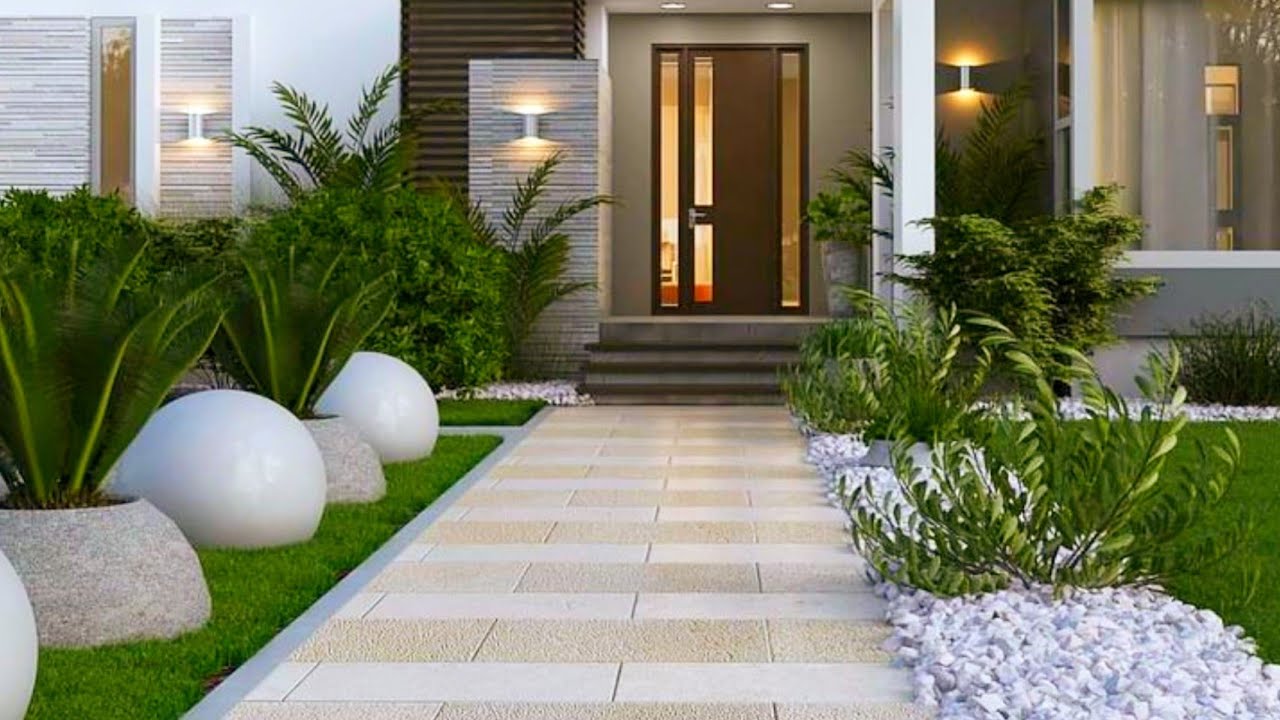
Creating a strong visual impression starts with the exterior of your home. A well-designed outdoor space not only boosts curb appeal but also increases property value and enhances daily living. From landscaping and lighting to façade materials and outdoor structures, thoughtful planning can transform any property into a welcoming and polished environment.
Understanding the Importance of Exterior Design
Your home’s exterior sets the tone for the entire property. It reflects architectural character and influences first impressions. A cohesive design makes the space more appealing, functional, and easier to maintain.
Key Benefits of a Well-Designed Exterior
-
Improved curb appeal that creates a lasting impact
-
Increased property value through strategic upgrades
-
Enhanced outdoor functionality for everyday use
-
Better energy efficiency with proper materials and shading
-
Greater durability against weather and environmental wear
Essential Elements of Exterior Design
1. Façade Materials and Finishes
The materials you choose determine durability and overall visual style. Popular options include:
-
Brick and stone for timeless, sturdy construction
-
Fiber cement siding for low maintenance
-
Wood cladding for natural warmth
-
Stucco for a smooth, modern finish
Choose materials that complement the architecture and climate to ensure long-term performance.
2. Roofing Choices
A roof greatly influences the silhouette of a home. Consider:
-
Asphalt shingles – cost-effective and versatile
-
Metal roofing – long-lasting and energy-efficient
-
Clay or concrete tiles – ideal for Mediterranean and Spanish-style homes
-
Slate roofing – premium and exceptionally durable
3. Windows and Doors
These elements shape both aesthetics and energy efficiency.
-
Opt for double- or triple-glazed windows for insulation
-
Use contrasting trims for visual interest
-
Choose durable entry doors made of steel, fiberglass, or solid wood
4. Landscaping and Greenery
Landscaping adds life and depth to exterior spaces. Effective design focuses on:
-
Native plants that require minimal maintenance
-
Defined pathways using gravel, pavers, or stone
-
Layered plant beds for visual dimension
-
Seasonal blooms for year-round color
5. Exterior Lighting
Lighting enhances both safety and ambiance. Include:
-
Pathway lights for accessibility
-
Wall-mounted fixtures near entries
-
Landscape spotlights to highlight features
-
String lights or lanterns for outdoor seating areas
Enhancing Outdoor Living Spaces
Patio and Deck Design
Outdoor living areas expand usable space and offer great entertainment value.
-
Install weather-resistant furniture
-
Use composite decking for durability
-
Add shade structures, such as pergolas or awnings
-
Incorporate built-in seating or fire pits for comfort
Driveways and Walkways
Practical yet influential, these surfaces improve flow and safety.
-
Concrete and pavers are long-lasting choices
-
Exposed aggregate adds texture
-
Stamped patterns mimic stone or tile
Color Schemes That Elevate Your Exterior
Choosing the right palette brings cohesion and appeal.
-
Neutral tones like beige, gray, and white for timelessness
-
Contrasting trims for definition
-
Bold accents (doors, shutters) to add personality
-
Earthy shades to blend with natural surroundings
Maintenance Tips for Long-Lasting Exterior Beauty
-
Clean siding and gutters regularly
-
Repaint or reseal surfaces as needed
-
Inspect roofing for damage after storms
-
Trim overgrown plants to protect structures
-
Refresh landscaping seasonally
FAQs
1. How can I choose the best exterior material for my home?
Consider climate, maintenance needs, budget, and architectural style to select the ideal material.
2. What are simple ways to improve curb appeal quickly?
Repainting the front door, upgrading lighting, and refreshing landscaping can create immediate impact.
3. How important is exterior lighting for safety?
Strategic lighting prevents accidents, deters intruders, and improves nighttime visibility.
4. Should I match my roof color to my siding?
Not necessarily—complementary colors often create more appealing contrast.
5. How often should I repaint exterior surfaces?
Typically every 5–10 years, depending on climate and paint quality.
6. What landscaping features add the most value?
Healthy lawns, stone pathways, and well-placed trees significantly enhance value and appeal.
7. Are outdoor living spaces worth the investment?
Yes, patios, decks, and seating areas extend usable space and increase home resale attractiveness.
