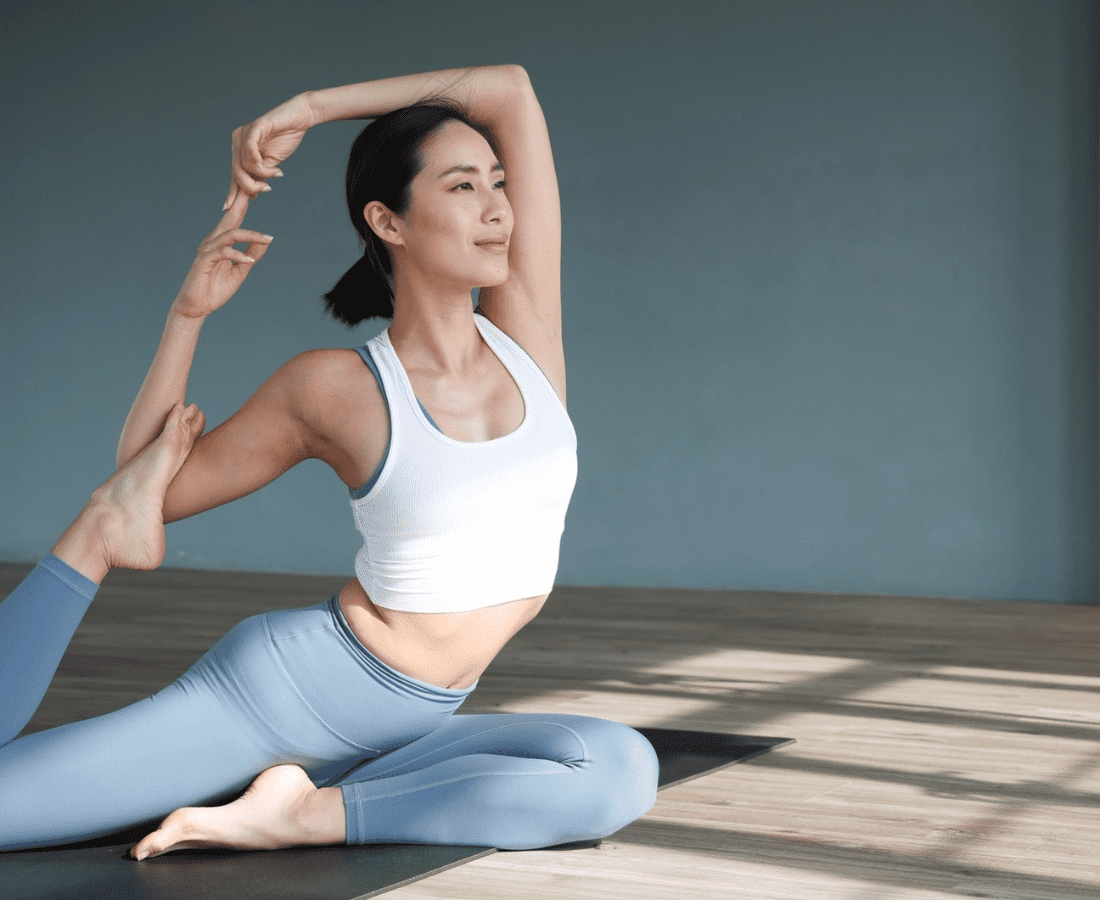
The Connection Between Space and Serenity
In a fast-moving city like Singapore, where skyscrapers rise beside heritage shophouses and MRT lines hum through the heart of the island, finding calm can feel like a luxury. Yet, many residents are now discovering that serenity is not just an internal state — it is also influenced by the environment we inhabit. From home interiors to yoga studios, space design plays a powerful role in shaping how the mind relaxes and the body rejuvenates.
In this growing movement toward mindful living, yoga Singapore has emerged as more than a physical discipline. It represents a design philosophy — a conscious effort to create balance between energy, light, and flow within modern urban settings. The architecture of yoga spaces across Singapore shows that mindfulness can be built into walls, floors, and even air circulation.
Why the Environment Affects Mental Calm
The mind constantly interacts with physical surroundings. Clutter, harsh lighting, and noise stimulate the brain’s alert systems, while open, minimal, and nature-inspired spaces promote alpha brainwave activity — the state linked with calm and focus. In Singapore, where population density and fast-paced routines can lead to sensory overload, the design of calm environments has become a necessity.
Yoga studios and wellness spaces are leading this change. Their architecture uses intentional choices in colour, sound, material, and lighting to regulate mood. When combined with the mindful discipline of yoga, such spaces transform stress into stillness.
Design Principles That Promote Mindful Living
Architects and interior designers increasingly collaborate with wellness experts to create spaces that reflect harmony and functionality. The following design principles form the foundation of mindful architecture in Singapore’s yoga scene:
1. Natural Light and Rhythm
Daylight has a profound impact on mood and circadian rhythm. Large windows, skylights, and filtered light panels are now essential elements of yoga spaces. They help synchronise the body’s clock while promoting alertness in morning sessions and relaxation in evening classes.
2. Minimalism and Simplicity
Minimalist design removes distractions and helps practitioners focus inward. Clean lines, uncluttered layouts, and the absence of unnecessary décor foster clarity. The design mirrors the core philosophy of yoga — simplicity leading to awareness.
3. Biophilic Design
Biophilic design connects people to nature through greenery, natural textures, and organic materials. Plants, bamboo flooring, and wood finishes regulate humidity while evoking warmth. This connection is especially valuable in Singapore’s tropical climate, offering visual rest amid urban intensity.
4. Sound and Acoustics
Soundscapes matter as much as visuals. Acoustic panels and soundproofing reduce city noise, allowing the rhythmic sounds of breathing and soft music to dominate. In some modern studios, low-frequency tones are used to create a meditative ambience that promotes slower brainwaves and calmness.
5. Flow and Spatial Energy
The arrangement of mats, lighting direction, and circulation paths are often designed to encourage energy flow. Following the principles of Vastu Shastra and feng shui, many studios orient their spaces toward the east — symbolising renewal and vitality.
How Yoga Studios in Singapore Reflect Mindful Architecture
Singapore’s wellness spaces are some of the most thoughtfully designed in Asia. Many combine traditional Asian philosophies with modern aesthetics. Large open studios with panoramic city views coexist with intimate, low-lit corners for restorative sessions.
Key design trends seen in yoga spaces across the island include:
-
Neutral colour palettes to evoke grounded energy
-
Natural ventilation for freshness in humid weather
-
Sustainable materials that echo the eco-conscious lifestyle
-
Quiet corners for reflection or meditation before class
Such design approaches encourage practitioners to feel a deeper connection with both their inner and outer environment.
Home Design Inspired by Yoga Studios
The influence of yoga spaces is extending beyond studios into homes. Professionals working remotely now recreate tranquil environments by applying yoga-inspired design principles:
-
Using diffused warm lighting instead of harsh white bulbs
-
Adding indoor plants or bamboo textures to reduce visual fatigue
-
Creating a dedicated meditation or reading nook free of screens
-
Using scent diffusers or natural oils to associate spaces with relaxation
This architectural mindfulness allows Singaporeans to find calm within compact living areas, proving that serenity can exist even in small spaces when intention guides design.
The Psychological Impact of Mindful Architecture
Research shows that well-designed environments can lower heart rate, reduce anxiety, and improve focus. Yoga studios that integrate natural textures and gentle lighting activate the parasympathetic nervous system — the body’s rest and recovery mode.
For instance, curved walls or organic shapes in design soften the visual field, easing the brain’s pattern recognition load. Similarly, exposure to wood and earth tones reduces cortisol levels, helping practitioners remain present during class. Such subtle design choices can have lasting effects on emotional wellbeing.
The Role of Sustainability in Calm Design
Modern wellness architecture in Singapore also embraces sustainability. Environmentally friendly design enhances not only physical comfort but also psychological satisfaction. Studios that use recycled materials, energy-efficient lighting, or water-saving systems contribute to the planet’s wellbeing — which in turn deepens a sense of purpose for those practising within the space.
Practising yoga in an eco-conscious environment nurtures both self and surroundings, creating harmony between personal and collective wellbeing.
How Yoga Edition Embodies the Architecture of Calm
Yoga Edition stands as an example of how mindful architecture can transform the experience of yoga. Its studios are crafted to merge physical flow with spatial flow. Natural lighting, soothing tones, and minimalist interiors help students disconnect from distractions and focus on awareness.
Every design detail, from mat placement to scent choice, is meant to enhance comfort and concentration. This thoughtful approach makes each class not only a workout but a sensory experience of peace and clarity.
Integrating Calm Design into Urban Development
Beyond yoga studios, Singapore’s broader urban planning also embraces the idea of mindful living. Green corridors, rooftop gardens, and park connectors offer residents daily opportunities for quiet reflection amid a modern skyline. Architects and planners recognise that access to natural, breathable spaces improves both physical and mental health.
As mindfulness continues to shape public consciousness, future residential and commercial buildings may include dedicated wellness zones for yoga, meditation, and relaxation, reinforcing a balanced way of life.
The Future of Architecture and Mindful Wellbeing
The integration of yoga philosophy into spatial design marks a shift from “living in spaces” to “living with awareness.” Architecture becomes more than aesthetics — it becomes a wellness tool. For cities like Singapore, where productivity often dominates lifestyle, this evolution points to a healthier, more conscious future.
Mindful design invites balance, helping individuals pause, breathe, and reconnect with themselves, even in the busiest environments.
FAQs About Yoga and Architectural Calm
Q1: Can space design truly influence stress levels during yoga practice?
Yes. A calm, well-lit, and uncluttered environment lowers cortisol and improves focus, allowing practitioners to stay present and relaxed.
Q2: What colours are best for creating calm yoga spaces at home?
Earth tones, soft greys, muted blues, and natural greens create a peaceful environment and blend well with natural lighting.
Q3: How does sustainable architecture enhance mindfulness?
Knowing that the space supports environmental balance provides emotional satisfaction and deeper connection, aligning with yoga’s principle of harmony with nature.
Q4: Can office spaces incorporate yoga-inspired design principles?
Yes. Quiet corners, indoor greenery, and balanced lighting can turn workplaces into more mindful environments that reduce fatigue and support creativity.
Q5: Why is sound control important in yoga studio design?
Noise disrupts concentration and increases stress. Acoustic management helps maintain a peaceful atmosphere that complements breath and movement.
