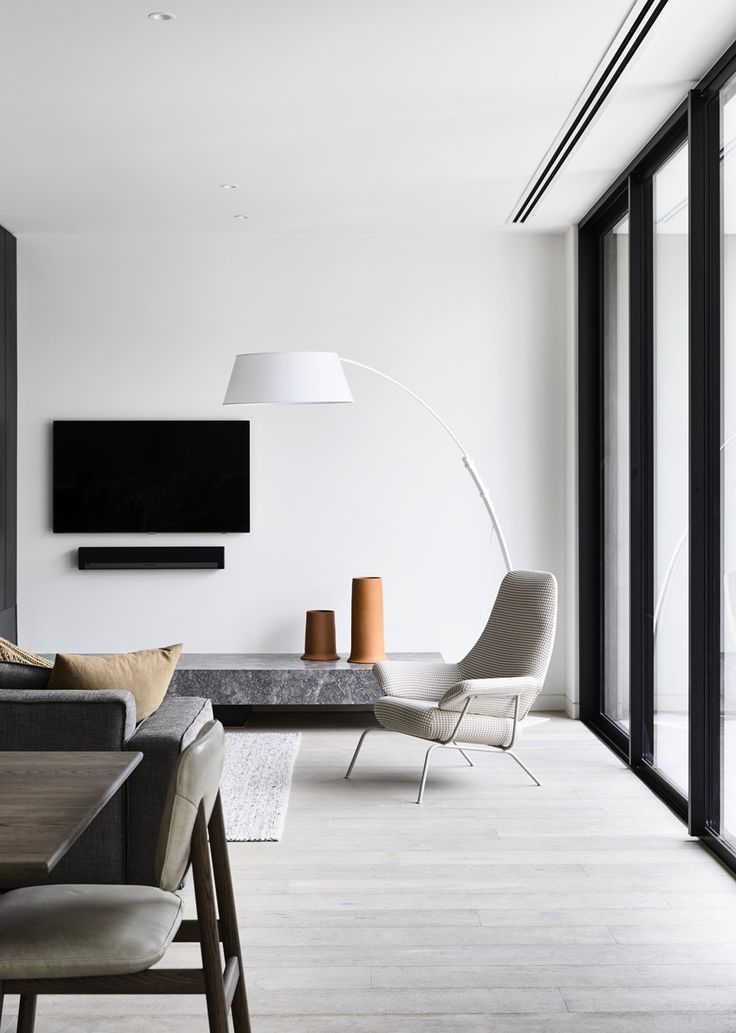
Interior design is both a creative and technical discipline focused on shaping interior spaces that enhance comfort, aesthetics, and functionality. It blends color, texture, lighting, scale, and layout to transform an ordinary room into a thoughtful, harmonious environment. Whether refreshing a single room or designing an entire home, understanding core principles helps create spaces that feel balanced, intentional, and inviting.
Core Principles of Interior Design
Balance and Harmony
A well-designed room feels visually balanced. Designers often use three main types:
-
Symmetrical balance for formal, classic interiors
-
Asymmetrical balance for modern, relaxed spaces
-
Radial balance where items radiate from a central focal point
Harmony is achieved when colors, shapes, and materials work together coherently.
Proportion and Scale
Every object should feel appropriately sized for the room it occupies. Oversized furniture in a small space can overwhelm, while tiny pieces in a spacious room may seem insignificant. Maintaining proper scale ensures a visually pleasing layout.
Rhythm and Flow
Repeating shapes, colors, and patterns guides the eye smoothly around the space. Rhythm creates unity and encourages a natural visual flow from one area to another.
Focal Point
A room needs an anchor that draws attention immediately. Common focal elements include statement lighting, artwork, textured walls, or a distinctive piece of furniture. This feature sets the tone and helps organize the remaining décor.
Color Psychology
Color influences emotions and the atmosphere of a room.
-
Warm colors add energy
-
Cool colors promote calmness
-
Neutrals create softness and versatility
Choosing the right palette ensures your space feels aligned with its intended purpose.
Popular Interior Design Styles
Modern
Modern spaces showcase clean lines, smooth surfaces, and a minimalist approach. Materials like glass, steel, and wood tend to dominate, creating a sleek, uncluttered interior.
Scandinavian
This style emphasizes simplicity, functionality, and natural light. Soft textiles, warm wood tones, and neutral colors create a comforting, peaceful environment.
Industrial
Inspired by factory aesthetics, industrial design highlights raw, unfinished elements such as exposed brick, concrete, and metal fixtures. It adds character and urban personality to interiors.
Traditional
Rich fabrics, detailed woodwork, and classic furniture define traditional design. This style exudes elegance, symmetry, and timeless charm.
Bohemian
Bohemian interiors are expressive and eclectic, combining bold patterns, artisanal pieces, layered textiles, and global influences for a free-spirited feel.
Minimalist
Minimalism focuses on simplicity, functionality, and clean aesthetics. It uses a restrained palette, intentional décor, and clutter-free layouts.
Essential Elements for Designing a Space
Lighting Design
Good lighting enhances mood and functionality through three layers:
-
Ambient lighting for general illumination
-
Task lighting for focused activities
-
Accent lighting to highlight features
Layering these creates depth and versatility.
Furniture Arrangement
Thoughtful layout promotes comfort and accessibility. Consider traffic paths, conversation areas, and visibility of focal points when arranging furniture.
Materials and Textures
Combining soft and hard surfaces—such as plush rugs with stone, leather, or wood—adds dimension and tactile richness to any room.
Smart Storage Solutions
Clutter-free environments improve comfort and aesthetics. Built-ins, multifunctional furniture, and vertical shelving maximize storage efficiency.
Personal Touches
Interiors feel complete when infused with personal elements like photographs, collectibles, plants, and artwork. These details reflect individuality and enhance warmth.
Practical Tips for Designing Your Own Home
Create a Clear Vision
Start by identifying your style preference, intended room functions, and desired mood. Vision boards or digital mood cards help solidify your direction.
Choose Quality Over Quantity
Invest in timeless, durable pieces that outlast trends. A well-crafted sofa or sturdy dining set offers long-term value.
Use Natural Light Wisely
Enhance natural illumination by placing mirrors strategically, opting for sheer curtains, and choosing reflective surfaces.
Layer Your Décor
Layering textiles, patterns, and finishes builds depth and comfort. Even minimalist spaces benefit from subtle layering.
Pay Attention to Small Details
Decorative accents such as handles, cushions, vases, and trims elevate the overall design without overwhelming the space.
FAQ
1. How do I choose the right interior design style for my home?
Identify what colors, textures, and atmospheres you naturally gravitate toward. Use inspiration boards to compare styles that match your preferences.
2. What is the best way to start decorating a new room?
Begin with the largest foundational pieces—like sofas or beds—then build around them using lighting, décor, and accessories.
3. How can I make my home look cohesive?
Use a consistent color palette, repeat materials, and maintain similar design themes across rooms.
4. What colors make a small room feel larger?
Light neutrals, soft pastels, and cool tones enhance brightness and create an illusion of spaciousness.
5. How important is lighting in interior design?
Lighting shapes mood, defines functionality, and adds depth. A good lighting plan transforms any room.
6. Should furniture match exactly?
Not necessarily. Coordinating colors, materials, and design styles is more effective than creating perfectly matched sets.
7. How do I add personality without cluttering my space?
Choose meaningful items—such as artwork, travel pieces, or plants—and display them intentionally rather than filling every surface.
