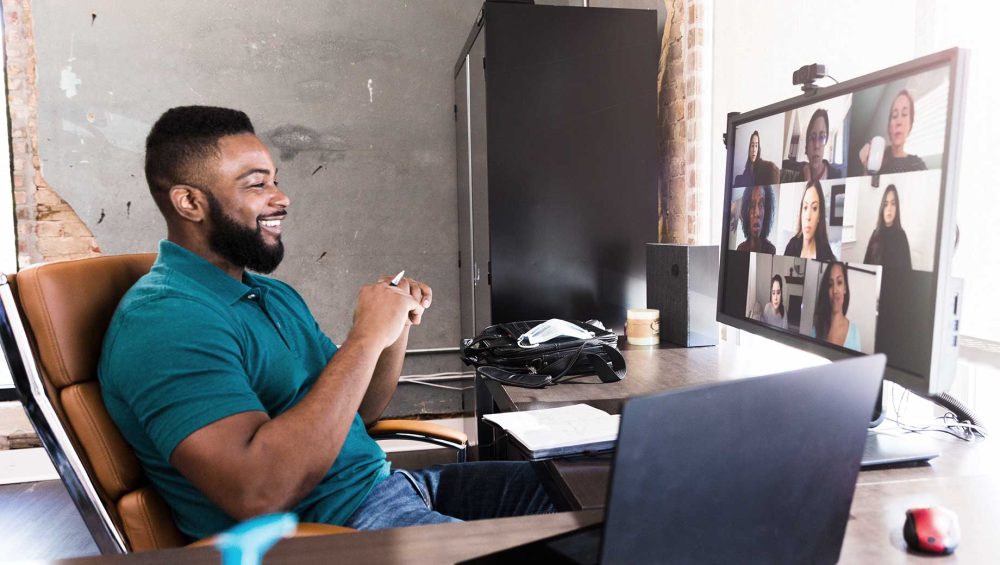
The hyper-connected world has an impact on the way people live and the way of living has a seismic shift. The traditional office offers flexible and remote-first environments that are no longer tethered to a single space. The co-living residence is where business travelers or remote workers share house (쉐어 하우스), a living space for these workers.
The new breed of home for travelers
Modern business travelers can hop between cities for meetings, without worrying about where to stay. They can seek comfort and connectivity in a shared living space, where remote workers blend life and work across cities and time zones. Long-term rentals and traditional hotels fall short, either being cost-prohibitive or lacking a productive work environment for longer stays.
Shared spaces and also called by different names, such as:
- co-living residences
- co-working residences
Once you hear about this kind of residence, you are sure that these are shared houses where you can stay for a short or long-term stay.
Flexibility without any compromise
One big benefit of a shared living space is the flexibility. Business travelers and remote workers can rent on a week or month basis. Renters can decide how long they want to stay and enjoy a plug-and-play lifestyle with a fully-furnished apartment, including:
- Fast Wi-Fi
- Housekeeping services
The convenience level is invaluable for professionals hitting the ground without worrying about the bills and laundry.
Designed for life and work
Shared residences offer more than a place to sleep, but a working space too. These shared homes are designed for productivity, offering common features that include:
- Common lounges and kitchens. These encourage interaction without sacrificing privacy.
- On-site co-working space. The working space has several features, such as:
○ high-speed internet
○ quiet zones
○ meeting rooms
- Fitness center and yoga rooms. These rooms support a healthy lifestyle, where a renter can be a local looking for a private space.
Build more than a home!
The most underrated advantage of the shared spaces is the sense of community. Co-living residences are built to enhance interaction. Whether brainstorming or sharing a meal in the kitchen in a shared house. The environment is creating opportunities for:
- networking
- collaboration
- friendship
Remote workers will have comfortable and convenient shared residences.
Economical co-living space
Shared residences are more transparent and comfortable than the cost of a hotel for extended stays. There are services you can expect, which include:
- Utilities
- Cleaning
- Wi-Fi
- Amenities
Renters are not required to commit to long-term leases. Many of these spaces emphasize the following:
- sustainability
- energy-efficient buildings
- shared resources
- reduced carbon footprint
Conclusion
As remote work becomes a norm, shared spaces are highly recognized as a necessity. Many companies have started offering co-living working space to employees, recognizing well-supported remote work. Shared spaces are the best working space for remote workers to build connections.
Shared spaces are trending and this is a response to this well-developing world. The shared space helps you feel at home, whether you are on the road for a week or set up base in the new city for several months.
